
I spent three weeks in Taiwan this past winter, a trip I will likely write more about. As part of that trip, I decided to do a deep dive into Taiwanese art: film and literature that could tell me something about the country I was visiting. These are notes from my journey into Taiwanese art.
Literature
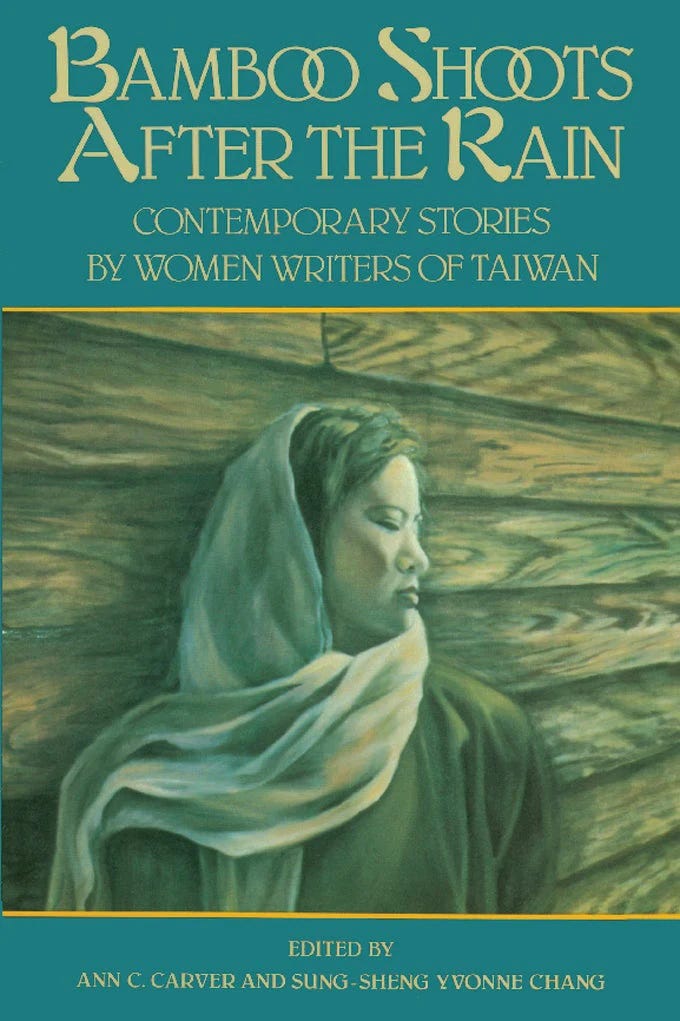
Bamboo Shoots after the Rain (ed. Ann Carver and Sung-sheng Yvonne Chang, 1993). This is a collection of short stories by “women writers of Taiwan” (in scare quotes because it includes many authors who never lived in Taiwan). The stories are chosen across generations, with stories written between 1950 and 1985. The older ones are set in imperial China as a kind of anti-nostalgia, while the newer ones tend to be about clashing norms between modernity and tradition.
The standout story by far was Flower Season, by Li Ang. A teenage girl skips school to buy a Christmas tree from a middle-aged man who takes her on a bicycle ride, away from the eyes of society. What happens next may shock you, or it may not. Also excellent was A Woman Like Me by Hsi Hsi; a woman monologues about the dread of revealing to her boyfriend that she is a mortician, knowing that he will not want to be with her anymore. It bums me out that these stories are nowhere on the Internet, so I can’t share them. They really are amazing.
I enjoyed many other stories in this book, but most of them I enjoyed because of the interestingness of their subject matter/perspective more than because I loved the stories themselves. For example, Chairman Mao is a Rotten Egg by Ch’en Jo-hsi is about a family living in China that falls into panic when their child starts loudly declaring that Chairman Mao is a rotten egg. The author actually moved from Taiwan to mainland China during the Cultural Revolution, and published this story in 1976, the year of Mao’s death. (Needless to say, she had left China by then.) That’s a fascinating background, and the story itself is a compelling portrayal of social paranoia, but it sounds more interesting than it was to read. Even so, Bamboo Shoots after the Rain was a great read and I’m glad I found it.
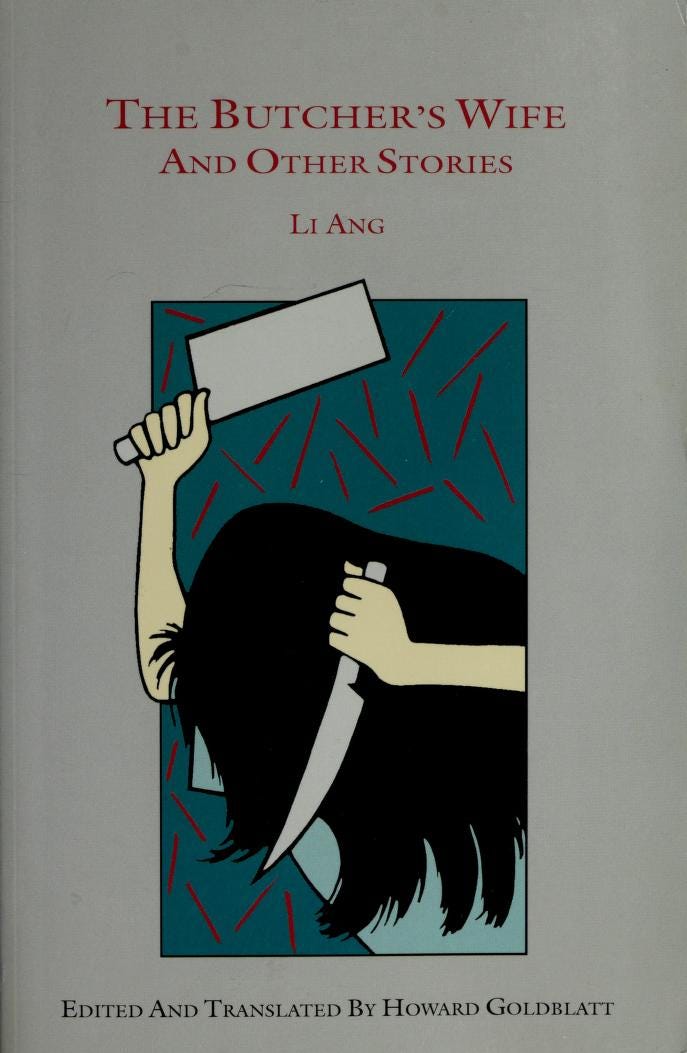
The Butcher’s Wife and Other Stories (Li Ang, 1983). Chasing the high of Flower Season, I picked this up to read Li Ang’s other work. Most of the book is the titular novella, with a few short stories appended afterwards. I was apprehensive about The Butcher’s Wife, which announces itself to be about a wife enduring her husband’s sexual and psychological abuse, until eventually she kills him. I was apprehensive about reading a work of trauma porn. And I was right to be! The story is unrelentingly grim. But it is still compelling. Conjured around one abusive marriage is an entire society: relationships, ideologies and spirituality all weave a frightening chain around the narrator. I was disappointed with how anticlimactic the ending was, though.
The other stories in the collection were decent. In particular, A Love Letter Never Sent is a touching tale revisiting the narrator’s first love, after a long life with many ups and downs. Wedding Ritual is a terrifically creepy story of a boy being tricked into marriage. Flower Season is also part of this collection, in case you have access to this book.
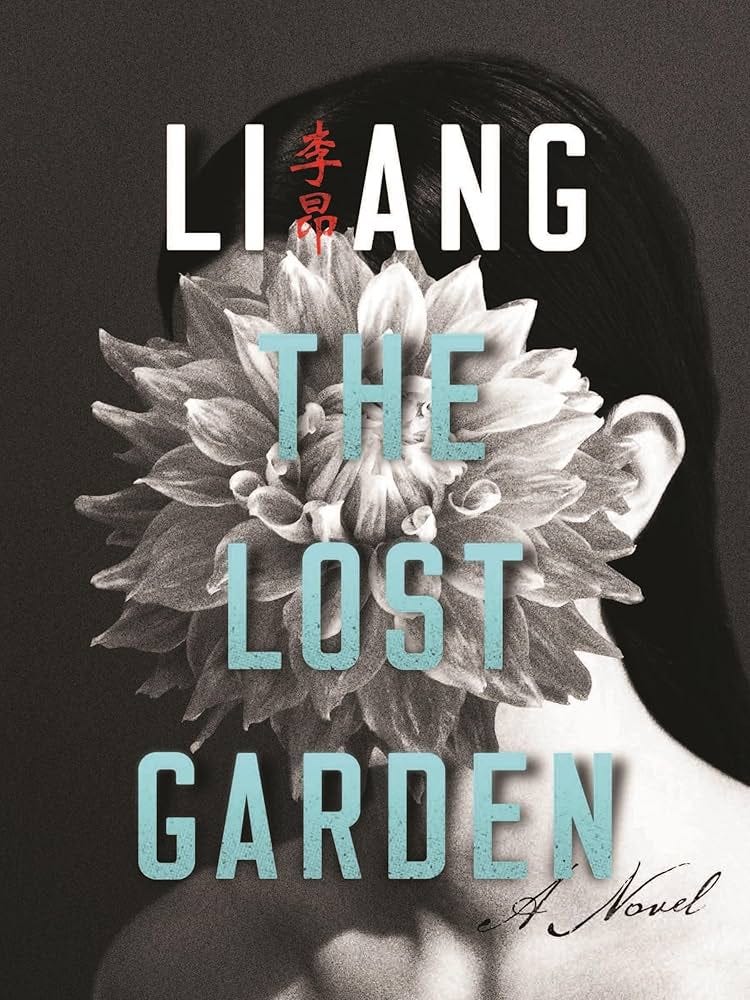
The Lost Garden (Li Ang, 1990). The story follows a narrator simultaneously growing up as a child during Taiwan’s martial law, and her stormy marriage as an adult. Some of the psychosexual exploration was fascinating, but I did not appreciate very much else about it. There is nothing compelling about the relationship that occupies most of the story. Nor does it deliver on the blurb’s promise of recreating the martial law era. Unfortunately, this one was a dud.
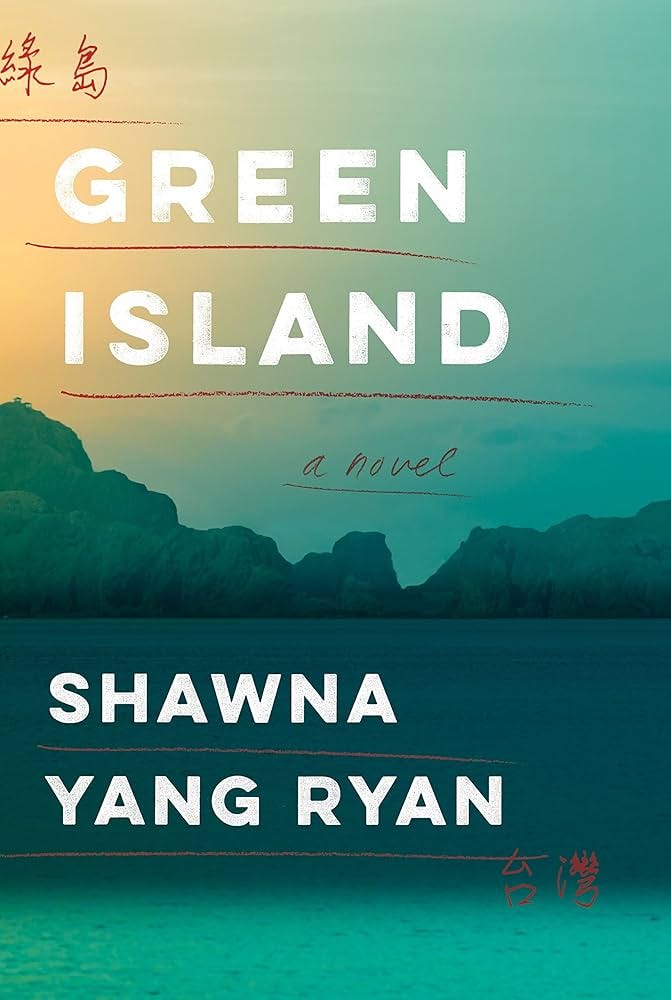
Green Island (Shawna Yang Ryan, 2017). A story that spans decades of Taiwan’s martial law, and has large segments in Berkeley (!!), was one I had to read. The author is also a friend of a friend. But I’m not biased when I say that this book was breathtaking. The story goes through the entire life of one woman, starting from her birth in 1947 and ending in 2004. Her father is jailed in the early days of martial law, and he is only released ten years later, twisted and bitter. She marries a pro-democracy activist and they move to the US, but agents of Taiwan’s authoritarian government even follow them there, with threats and intimidation on the streets of Berkeley. The personal dramas of family and marriage are poisoned by the shadow of martial law, and nobody comes out unscathed. The theme that runs through the book is guilt, the guilt of being a collaborator, the guilt of leaving people behind, the guilt of surviving. Absurdly good book.
Film
Classic Cinema
Before starting this journey, I did not know the history of Taiwanese cinema. Taiwanese New Wave is an artistic movement that defined Taiwanese cinema in the 1980s and 1990s. It was an arthouse film style, based on contemplative realism: indirect stories, understated performances, narratives that engaged with difficult issues like authoritarianism and modernization. It stood in stark contrast to – almost in opposition of – the blockbuster cinema of nearby Hong Kong. As you might expect from an arthouse style, New Wave films absolutely bombed with Taiwanese audiences, but they found devoted audiences in global cinephiles, leading to an outsized global reputation. It’s almost funny to describe it as Taiwanese cinema, when Taiwanese audiences themselves preferred Hong Kong popular films, but I was interested to learn more about it.
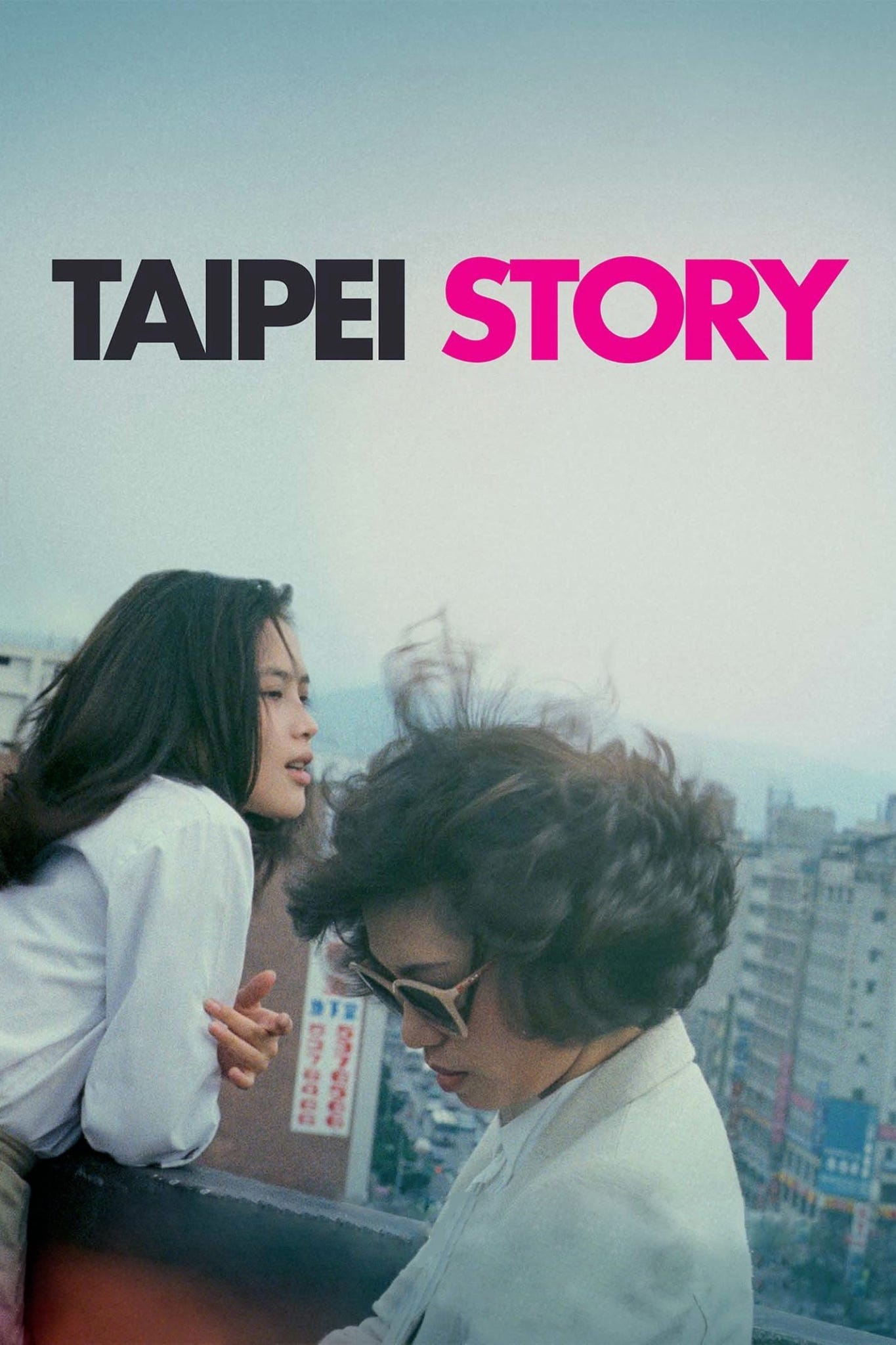
Taipei Story (Edward Yang, 1984). I understand why this is a beloved movie. It conveys a powerful sense of place and time, and it has so many moments that you just want to memorialize forever. Sometimes it’s two characters on a rooftop, standing silently under a neon Fujifilm sign. Sometimes it’s a group of youngsters dancing to Footloose in a club. Sometimes it’s a long look out of an office window, from a character who doesn’t recognize what they’re seeing. Unfortunately, the core of the movie is a relationship between two characters who are so poorly suited for each other that it was difficult for me to be invested in their future. They both end up with what they deserve. I enjoyed it, but not as much as I wanted to.
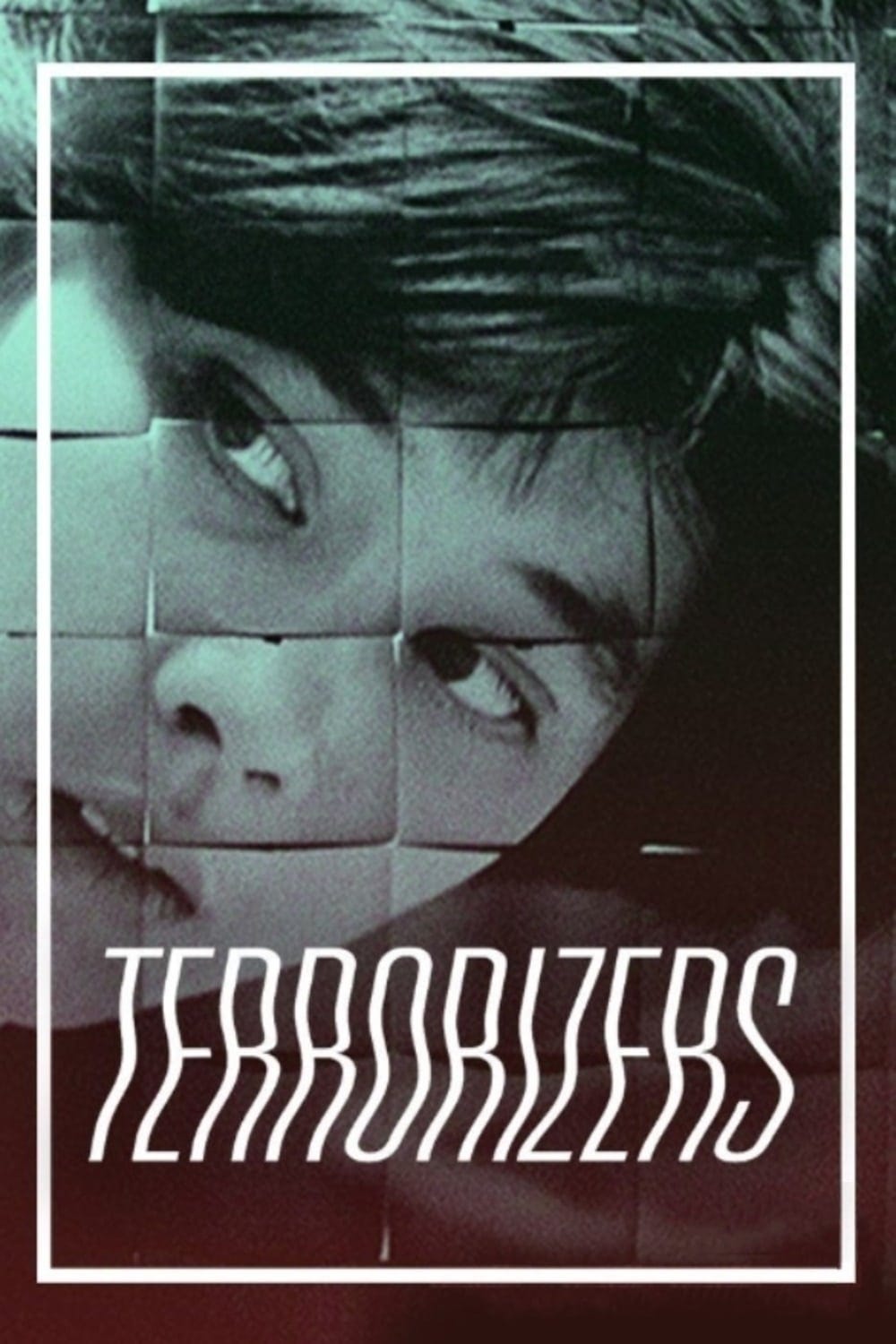
Terrorizers (Edward Yang, 1986). In an ensemble cast, it’s unfortunate that absolutely nobody is interesting. Worse, they’re all shitty people, colliding with each other only to fling more shit into each other’s lives. This movie left a sour taste in my mouth. I did not enjoy it at all.
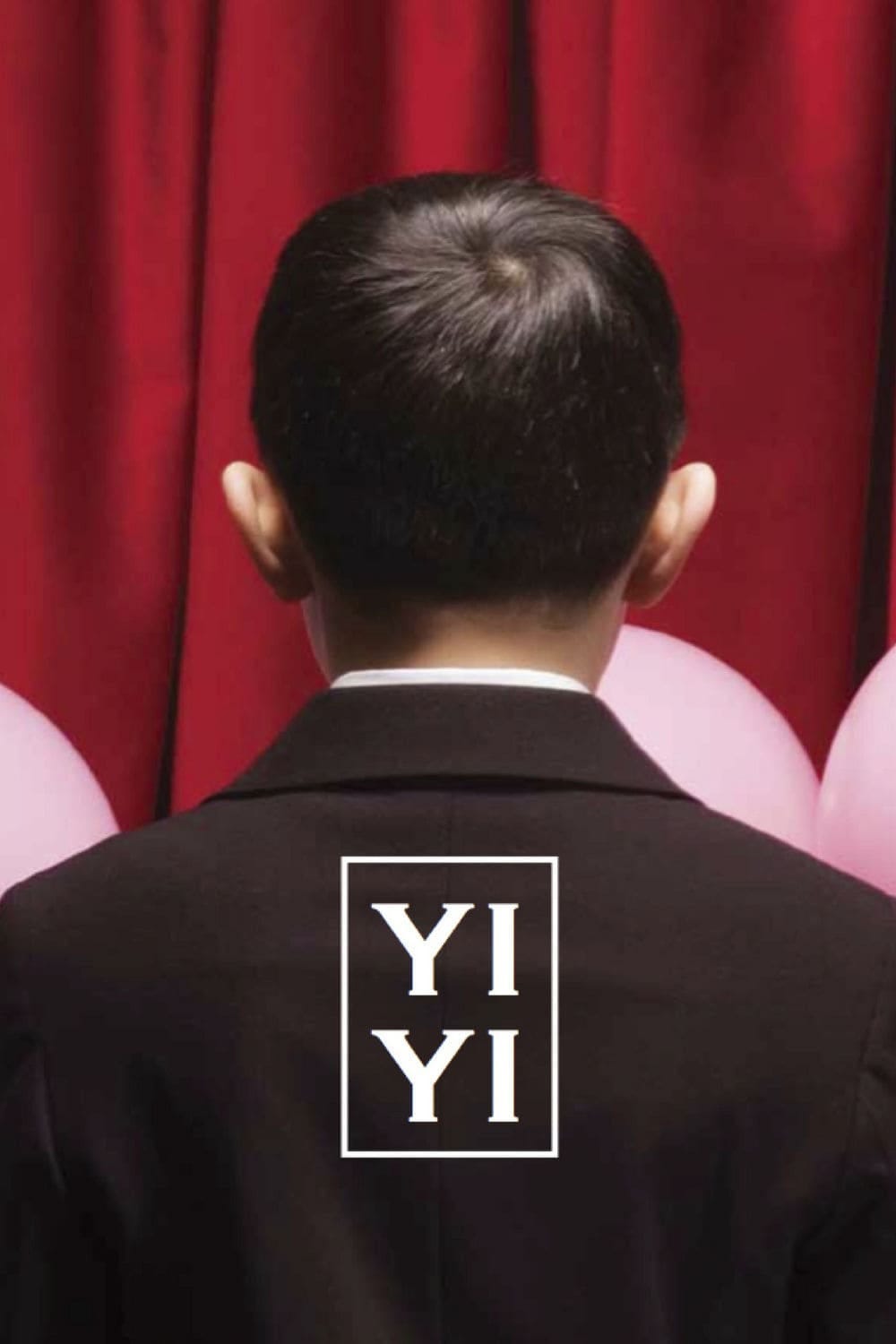
Yi Yi (Edward Yang, 2000). If I’m thankful for one decision throughout this journey, it’s the decision to not give up on Edward Yang after Terrorizers. I watched Yi Yi with no hope other than to append another paragraph to this review. It ended up being the highlight of this whole journey. I might write a whole essay about Yi Yi another day, so I’ll keep this brief. The ghosts of the past, the pain and wonder of growing up, and the uncertainties of the future confront one ordinary family. None of them know how to move forward, but each of them figures out their own way. None of them wins, but each of them has an enlightened defeat. Glorious film, well-deserving of its status.
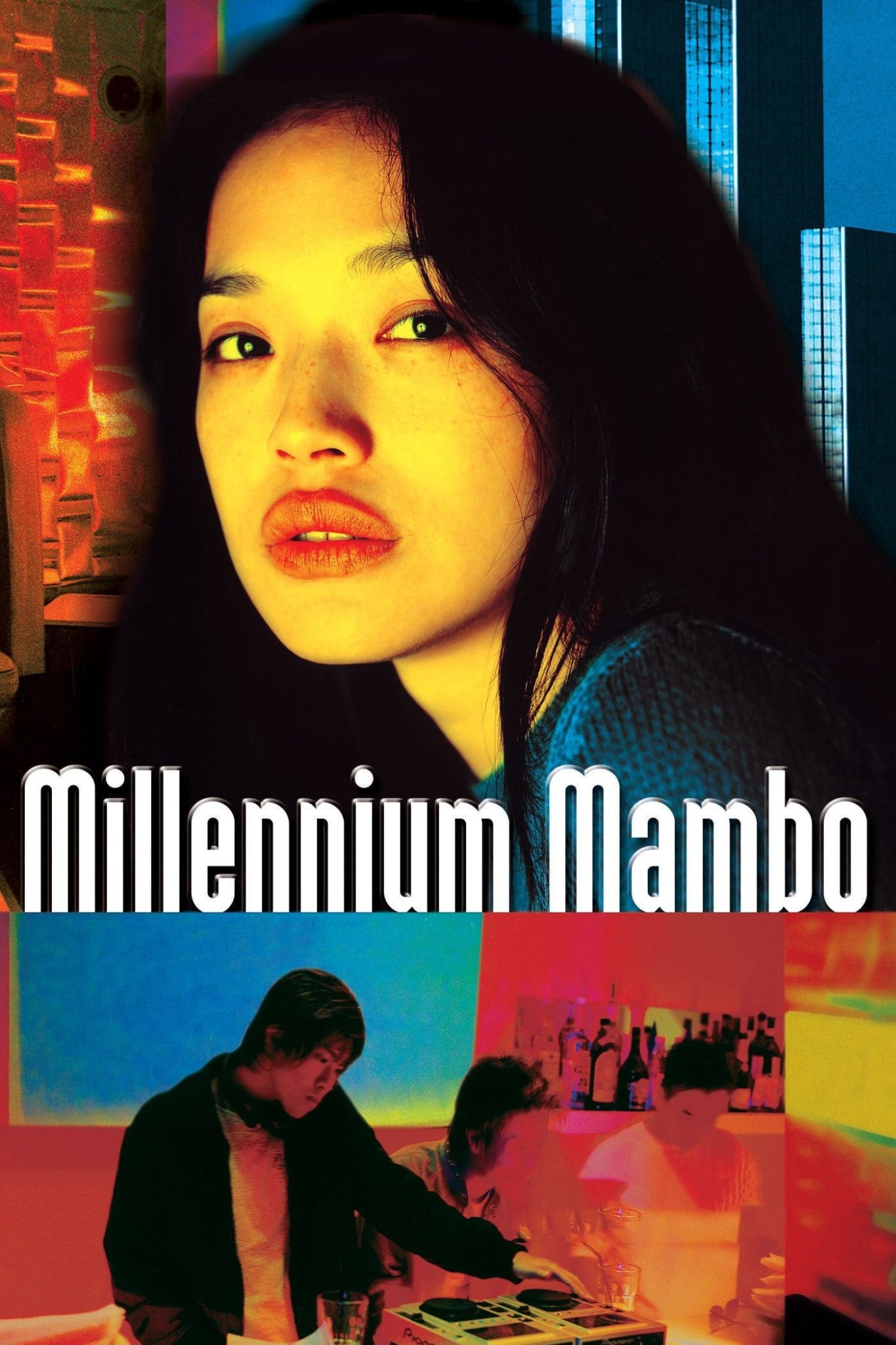
Millennium Mambo (Hou Hsiao-hsien, 2001). A turn-of-the-millennium story about a hostess with a deadbeat boyfriend, who begins a relationship with a benign gangster. I don’t have much to say about this movie, except that its soundtrack is phenomenal and some of the scenes under nightclub lights are genuinely hypnotic. But the story doesn’t go anywhere and the characters are cardboard cutout-flat. Definitely a lowlight, and killed my desire to see any more of Hou Hsiao-hsien’s movies.
New Releases
Taiwanese New Wave cinema is one thing, but it’s a portrait of Taiwan in the past. So I watched a few movies in theaters, to see what was released recently. There was no unifying theme to the movies, but it was striking how different they were from the New Wave classics. While the New Wave classics were arthouse films, slow and contemplative, the films I watched in theater seemed normal. Some of them were happy, some of them were sad, but they operated at a fairly straightforward level. Put differently: you could make an hour-long video essay about Taipei Story or Yi Yi, but you could only make a twenty-minute video essay about even the good movies listed below. If that sounds like an insult, I promise you that I broadly preferred the new films to the classics.
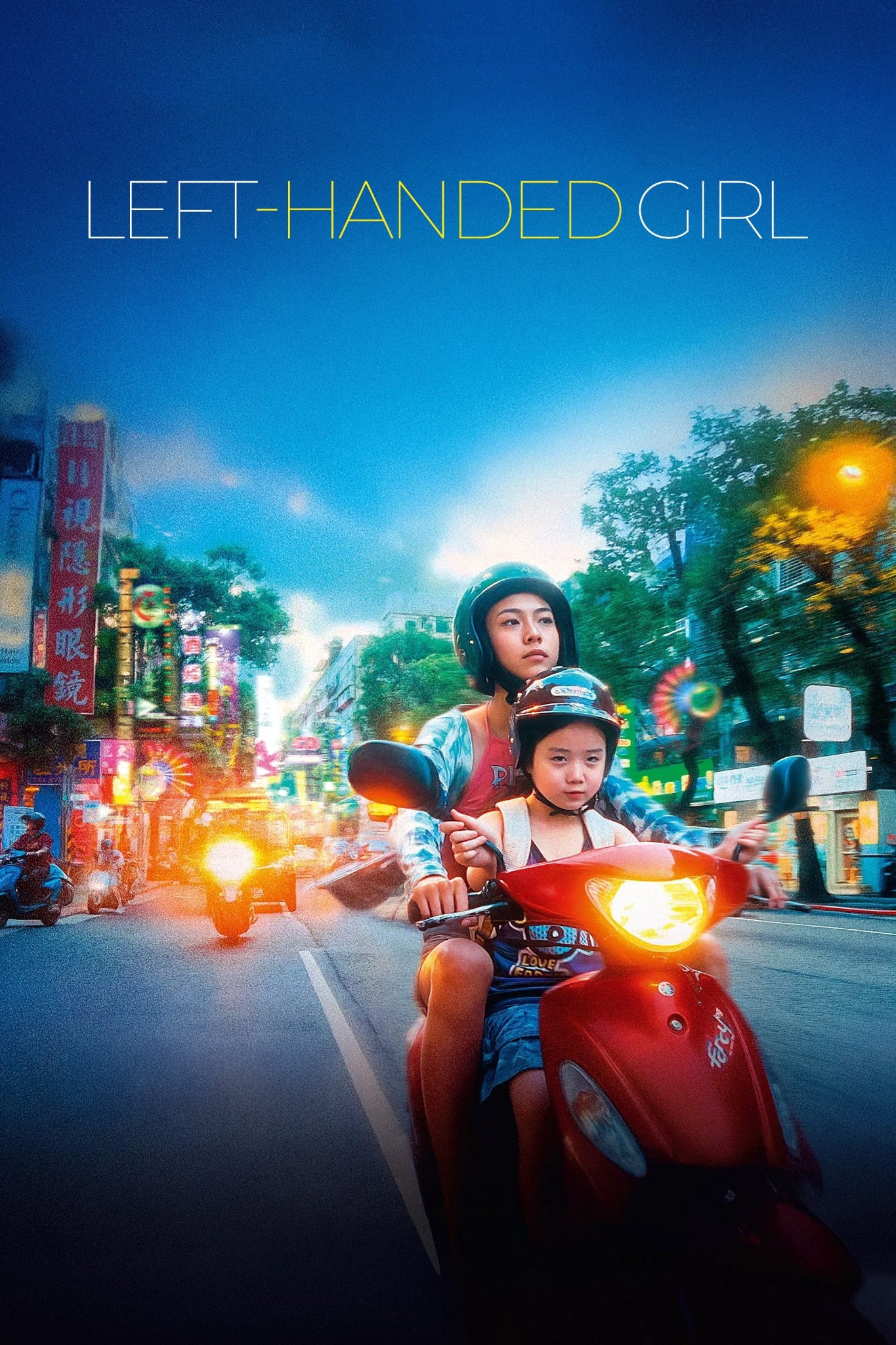
Left-Handed Girl (Shih-Ching Tsou, 2025). This is a delightful movie about a mother and two daughters who run a noodle stall in a Taipei night market, with their family drama experienced from the younger daughter’s perspective. The story has real gravity, yet it never feels overwhelming because we view it with a child’s whimsy. The child actress, Nina Ye, was outstanding.
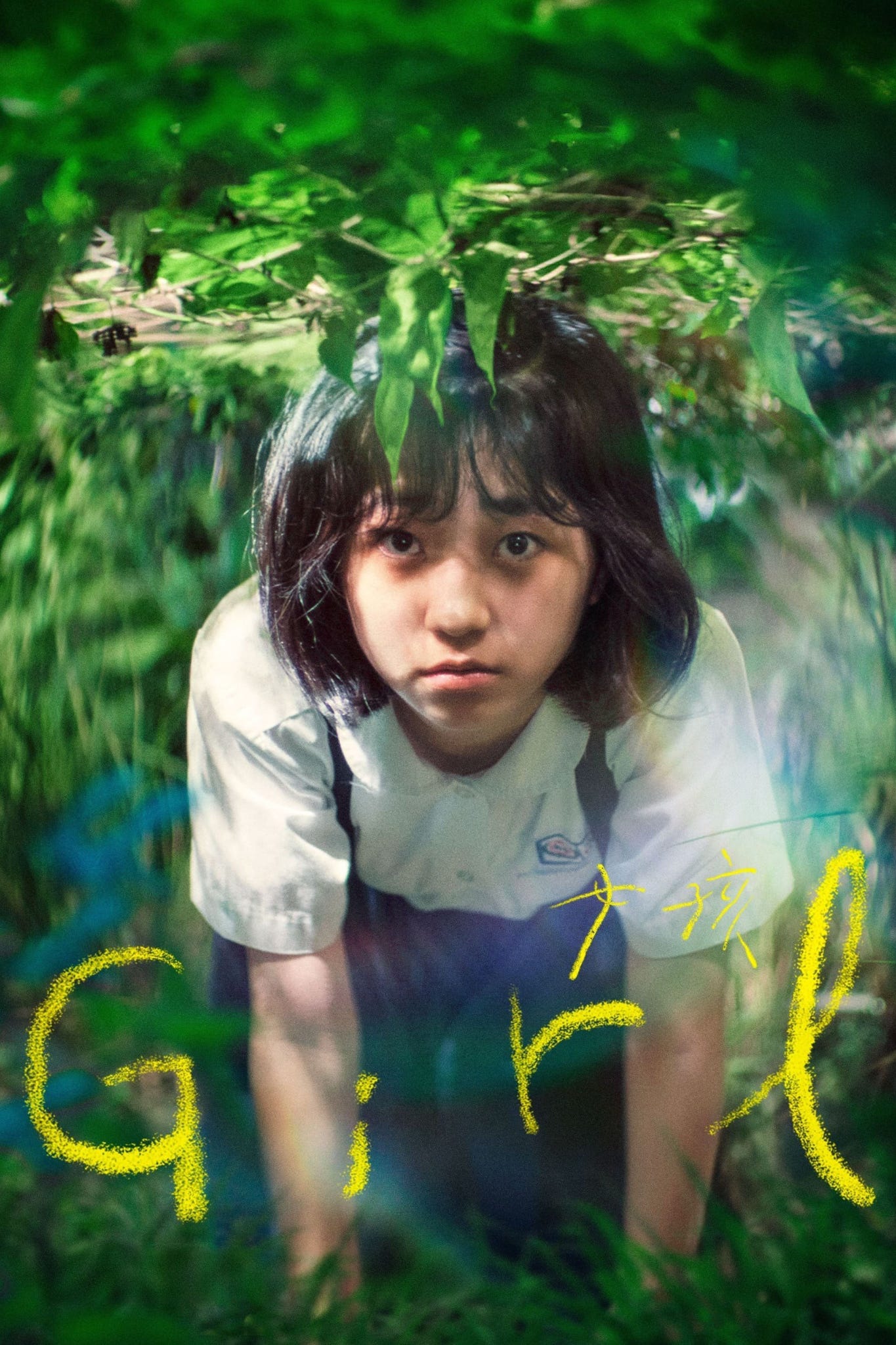
Girl (Shu Qi, 2025). I am guilty of overusing the term “trauma porn”, but it was genuinely made for this movie. Stories with no substance other than a hammer to bash you over the head and say “look at this and feel bad” over and over. Sure, maybe I’m not the target audience for a movie about mothers passing their childhood trauma onto their daughters. But if you are in that audience, you still deserve better than this movie.
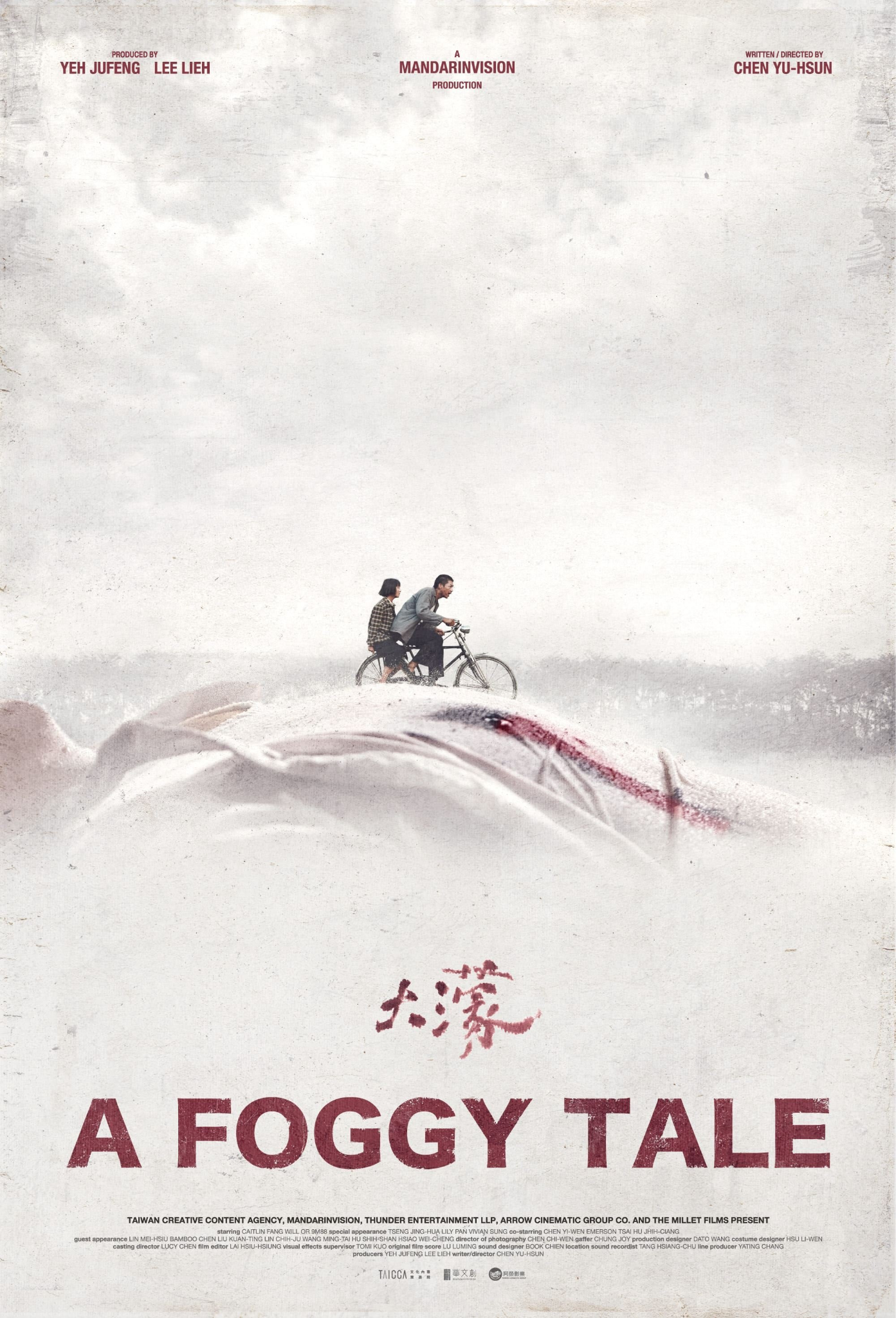
A Foggy Tale (Chen Yu-hsun, 2025). During the early days of martial law, a girl travels to Taipei to claim the body of her brother, who was executed by the regime for dissidence. She encounters a rickshaw puller who helps her on her journey. The best parts of this movie are when it paints a picture of a Taipei in flux and flooded with waishengren, mainlanders who still identified with their home province on the mainland rather than with their new country. The city is made anew through its new people, and the story is filled with enough zany events to lighten up the heavy plot. Super enjoyable movie, all in all.
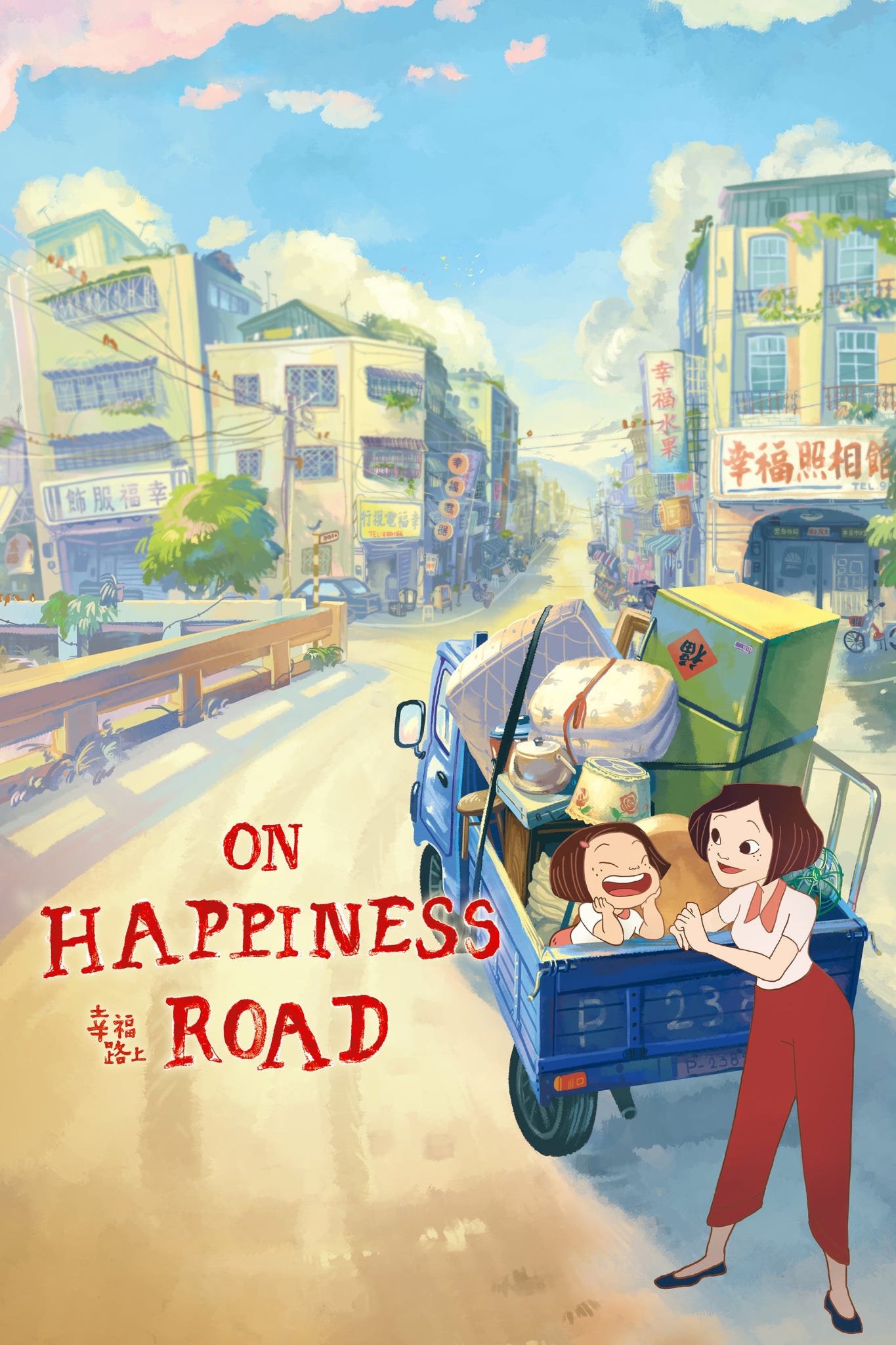
On Happiness Road (Sung Hsin-yin, 2017). This is a glorious movie. A woman who has emigrated to the US returns to Taiwan for her grandmother’s funeral, while reminiscing on her childhood and considering her crumbling marriage. Faced with paralyzing decisions, she learns to “see with the eyes of her heart”. It sounds cheesy, but I really felt like I understood what that meant. This movie also solidified to me how much I love the medium of animation; the pastel colors, the visualization of childhood imaginations, and the absurd level of cuteness on display – the movie would be so much lesser as a live-action film. I did not watch this in theaters, but I’ve grouped it with the others since it’s more contemporary than the New Wave films. Thanks to Michelle Kuo and Albert Wu for recommending this movie in a now-paywalled essay, without which I would never have discovered it.
Video Games
Since this is my round-up for Taiwanese art, let me pay tribute to the first Taiwanese art I consumed, long before my recent trip: two video games by Red Candle Games.
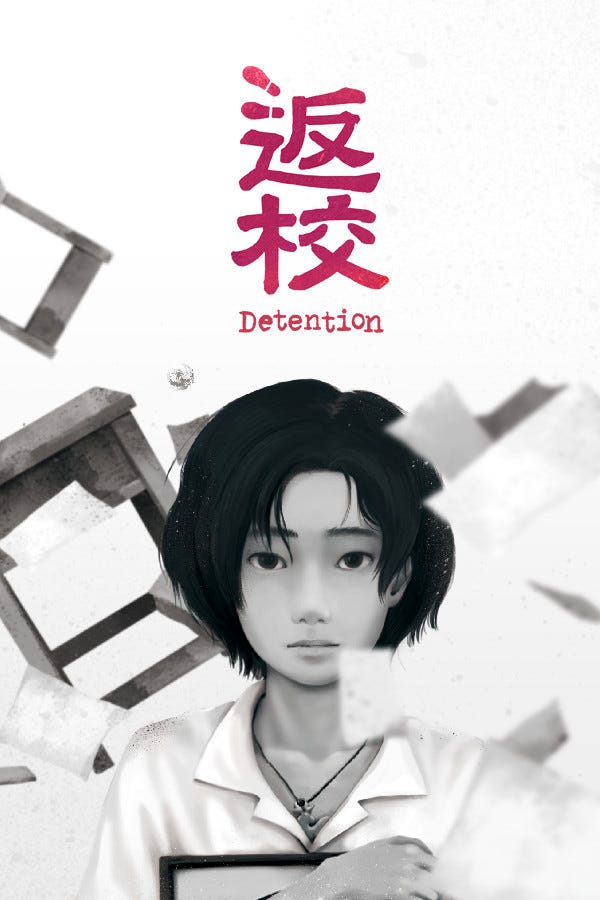
Detention is a horror game set during martial law. You play as a high-school girl who wakes up in an abandoned school and gradually uncovers clues about what has happened. We find out that the narrator’s classmates and teachers were secretly reading banned books, including a teacher she was having a relationship with. After hearing him discuss the book club with a female teacher, the narrator assumed that the two were in a relationship, and she was consumed by jealousy. She reported them to the police, hoping for the female teacher to be fired. Instead, they are all arrested and executed. After that, the protagonist committed suicide out of guilt – the events of the game are in fact her spirit being unable to move on because of her guilt.
When I first played Detention, I knew nothing about Taiwan’s martial law. Maybe that is why I still consider it the most moving portrayal, of all the ones I have seen. Or maybe I feel that way because Detention tricked me into thinking I was the victim, before pulling the rug to reveal that I was in fact the collaborator. Like the protagonist’s spirit, I have lingered in that feeling.
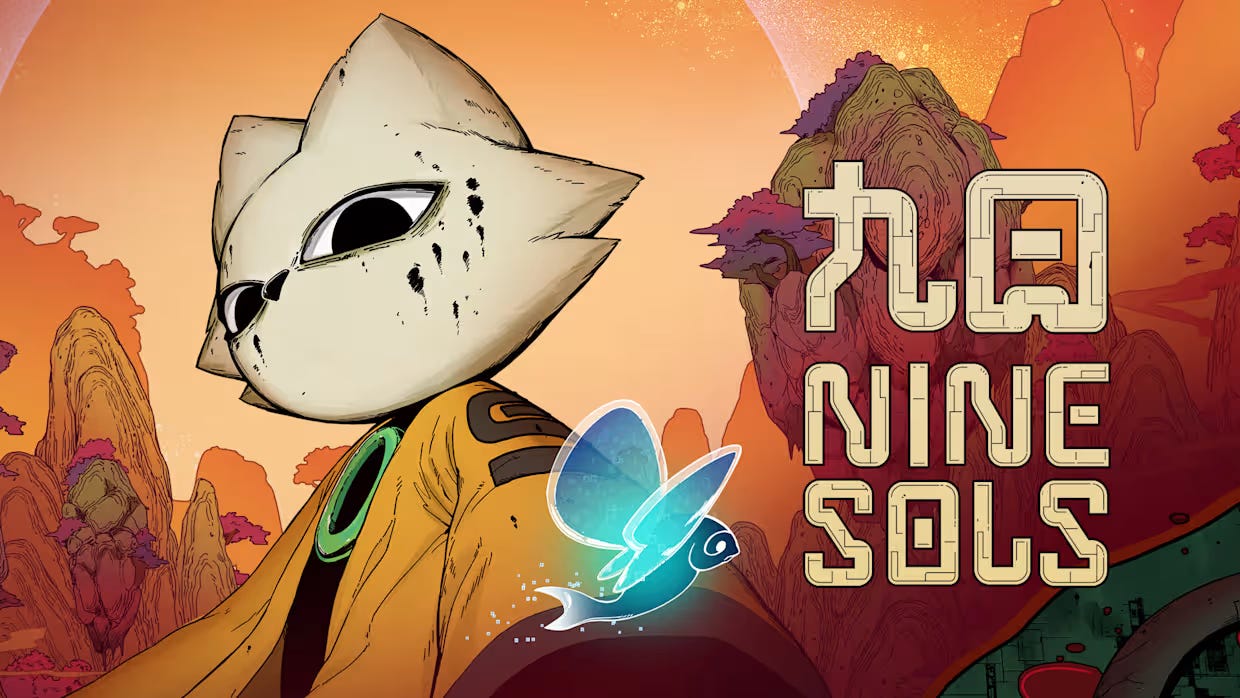
Nine Sols is a 2D action-adventure game, featuring a revenge plot set in a futuristic civilization that the developers describe as “Taopunk”. It was my favorite game of 2024, mostly because of its deviously good combat system and boss fights, but it does also have a moving story. An alien civilization suffers from a virus with no known cure. The protagonist is a scientist who devises a plan to colonize Earth and harvest human brains, to suspend the aliens in virtual reality until a cure can be found. But his sister refuses to leave, arguing that they need to accept their death as part of the natural course of life. And so science and spirituality clash with the fate of two civilizations at stake. I can’t say if I have a spiritual bone in my body, but if I do, Nine Sols is part of the reason why.
Takeaways
My recommendations
If you’re looking for recommendations, Yi Yi and On Happiness Road are the highlights. Green Island is an incredible historical novel. And for the love of God, please find a way to read Flower Season.
Who am I to opine?
A question I asked myself many times throughout this process – especially after disliking something I read or watched – was “am I just imposing my own perspective on this?” Frequently I’m dismissing plot points or characters based on a cultural premise that makes total sense to the characters, but is just alien/uncompelling to me. So is it really fair for me to hand down judgment, sitting over here? What right do I have to say whether something makes sense or is compelling?
I make this sound like a difficult question. It’s not. It is obvious to me that I can only offer my own opinion, and that my own opinion is shaped by my own life experiences. I can’t pretend that I have a different perspective; even if I could, there would be no value in that pretense.
In a post-script essay in Bamboo Shoots after the Rain, editor Ann Carver writes about teaching the stories in the book to American students, and how they would reflexively view every story through an American cultural lens. She advocates for a “double vision”, in which the reader tries to view the world through the eyes of a character rather than imposing their own viewpoint. I think this sounds like a good ideal. But I suspect I’m too attached to my own perceptions, which are too hard-won for me to take lightly. So if something I’ve written strikes you as too dismissive or narrow-minded, chalk it up to a failure of my double vision.
The long shadow of martial law
You may have noticed a pattern: a large share of this art focuses on Taiwan’s period of martial law. This was not a decision I made! Indeed, I excluded some art that was focused on martial law, because I felt like I was already overdosing on it. I skipped City of Sadness by Hou Hsiao-hsien even though it’s a classic movie. The Photo from 1977 by Frank Cheng and Phil Tang was playing in theaters while I was in Taiwan, and I skipped it for the same reason. The display sections of Taipei bookstores were checkered with books about Taiwan’s martial law history.
This makes sense to me. Art expresses the collective unconscious, and it would be insane if Taiwan’s collective unconsciousness wasn’t preoccupied with the violence of martial law. Martial law in Taiwan was lifted a mere 40 years ago, meaning that it is a living memory for almost half of the population; for the remaining half, it is a living memory for their parents. Taiwan is hardly alone in this focus, either. The Secret Agent, a Best Picture-nominated Brazilian film from 2025, is also about the political turmoil of Brazil’s military dictatorship. The scars of the past are everywhere once you start looking.
Did I learn something about Taiwan?
The original purpose of this deep dive was to complement my trip to Taiwan, to help me see a different side of Taiwan than I would experience in the day-to-day. But I wasn’t ready for just how different it was. I don’t think my experience of Taiwan was informed at all by the books I read or the movies I watched. I did have many interesting observations from my Taiwan trip, that will become another essay. But those observations are more or less disjoint from the art I consumed.
This is surprising to me. It’s surprising because cinema conveys a sense of place, and yet it was a sense of place so different from what I actually experienced. Edward Yang was singularly focused on depicting Taipei, but he depicted the Taipei of 40 years ago. The chaotic streets filmed in Left-Handed Girl are the same streets I walked on, but that was still rather unspecific (streets are chaotic in most cities!)
Does this mean that I didn’t learn anything about Taiwan from consuming Taiwanese art? That seems wrong. Or is it that travel is a superficial way to learn about a country? That too seems wrong, since travel is such a high-dimensional experience. I guess the only answer is that travel and art show you totally different aspects of a country. That is certainly possible. Nonetheless, this was an unpleasant surprise to me, and something I’m still trying to understand.
ooh millennium mambo (and three times also by hou hsiao-hsien) is next on my film docket, so ill excited to exchange thoughts after i get to it!!